When I went vegan, the question everyone asked me was "but where do you get your protein?" I get it — it's the most common worry, and it's a fair one if you don't know what to reach for. So I went and actually compared the numbers, because guessing is how you end up eating the same three meals on repeat. Here's how the most common plant proteins stack up, ranked by grams per serving, along with how easy each one is to actually cook on a weeknight.
Seitan: the protein heavyweight
Seitan is made from wheat gluten, and it's the densest plant protein you'll find in a regular grocery store. According to Healthline's breakdown of seitan nutrition, a 3-ounce serving comes in at roughly 21 grams of protein. The catch is texture: seitan can be chewy and needs decent seasoning to taste like more than bread dough. It's not something I'd hand a total beginner on night one, but once you're comfortable in the kitchen, it's worth learning.
Tempeh: fermented and firm
Tempeh comes in second. Per Healthline's tempeh nutrition guide, a 3-ounce serving has around 15-16 grams of protein. It's made from fermented whole soybeans, so you get fiber along with the protein, and it holds together well when you pan-fry or crumble it — no draining or pressing required, which makes it genuinely easier to cook with than tofu on a busy night.
Tofu: the most versatile of the bunch
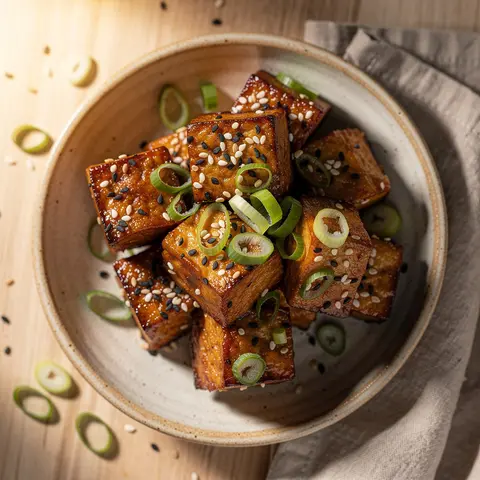
Tofu lands a bit lower on the gram count. The Harvard T.H. Chan School of Public Health's page on soy foods puts a typical 3-ounce serving of tofu at somewhere around 8-10 grams of protein, depending on how firm it is — firmer tofu is more concentrated because more water has been pressed out. But tofu makes up for the lower number in flexibility. Firm and extra-firm crisp up nicely, soft tofu blends into sauces, and it takes on whatever flavor you cook it with. If you want a fast, low-effort way to get familiar with it, Air Fried Miso Sesame Tofu is a good starting point — minimal prep, big flavor payoff.
Lentils and beans: the everyday workhorses
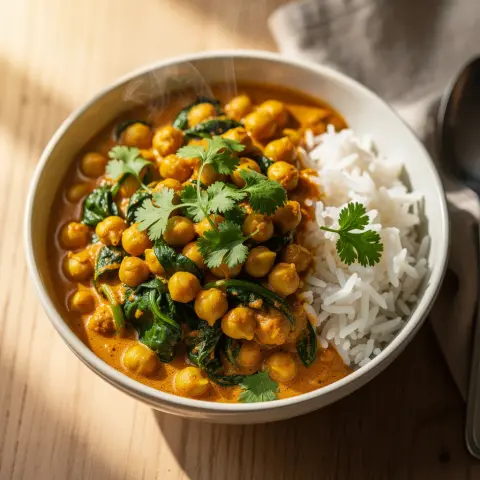
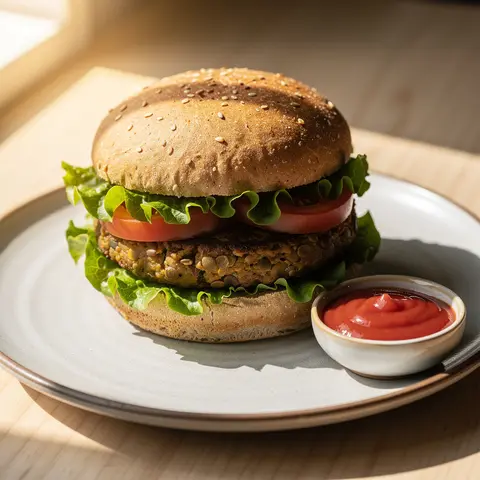
Lentils and beans won't top the chart gram-for-gram, but they're the ones I actually cook with most. According to Harvard's Nutrition Source page on legumes and pulses, a half-cup of cooked lentils has around 9 grams of protein, and a half-cup of cooked chickpeas has around 7-8 grams. What they lack in density they make up for in convenience — no pressing, no marinating, just simmer and go. The 15-Minute Chickpea Coconut Curry is a good example of how little effort it takes to turn a can of chickpeas into a full dinner, and 15-Minute Lentil Burgers is one of the fastest ways I know to get lentils onto a plate that doesn't feel like a bowl of soup.
Beans and lentils are also where a lot of the Academy of Nutrition and Dietetics' guidance on plant-based eating points people first, since they're cheap, shelf-stable, and easy to build a meal around without much planning.
How much protein do you actually need?
This is the part that trips people up more than the ranking itself. The general guidance from the Harvard T.H. Chan School of Public Health is that most adults need somewhere around 0.8 grams of protein per kilogram of body weight per day, and that plant sources can meet this just fine as long as you're eating a variety of them across the day — not necessarily all in one meal. That's the real key: you don't need one perfect protein-packed dish. You need a rotation. If you have specific health conditions or unusual protein needs, it's worth checking with a doctor or registered dietitian rather than relying on general numbers like these.
Building a rotation instead of a single meal
Instead of trying to cram all your protein into one meal and getting bored fast, it's easier to spread tofu, tempeh, lentils, and beans across your week — a little seitan or tempeh at dinner, chickpeas or lentils at lunch, tofu wherever it fits. If you're short on time, the 30-Minute Vegan Dinners collection leans heavily on these ingredients, and if lunch is where you usually fall back on bread and hummus, Vegan Lunch Ideas has a mix that keeps protein in the picture without repeating the same meal twice.
The ranking by grams is useful to know, but it's not really the thing that matters day to day. What matters is having enough variety on hand that reaching for a high-protein meal doesn't feel like a chore. That's the difference between knowing the numbers and actually eating well on a Tuesday night.
If you'd like help turning all of this into an actual weekly menu instead of a mental checklist, that's what EasyVgn's free plan does — a curated menu and a shopping list built around meals like the ones above.