When I started cooking vegan, my spice cabinet had exactly three things in it: salt, pepper, and a jar of Italian seasoning I never used because I didn't know what it went with. I'd stand in front of the grocery store spice aisle completely overwhelmed — cumin, coriander, turmeric, smoked paprika, garam masala — no idea which ones worked together or what any of them would actually do to my food. So I bought too many, used almost none, and kept eating the same bland five meals on repeat.
It took me a couple years of actually cooking to realize you don't need forty spices. You need about twelve, and you need to understand three or four flavor "directions" they point in. Once that clicked, cooking vegan got a lot less intimidating and a lot more fun.
Start With a Small, Honest List
Here's the list I wish someone had handed me on day one:
- Cumin (earthy, warm — goes in almost everything savory)
- Smoked paprika (adds a meaty depth without any meat)
- Ground coriander (citrusy, pairs with cumin constantly)
- Turmeric (color and a mild bitterness, great in curries)
- Chili powder or cayenne (heat, use sparingly at first)
- Garlic powder and onion powder (backbone of almost any savory dish)
- Dried oregano and dried basil (your Italian-leaning meals)
- Ground ginger (works in both sweet and savory)
- Cinnamon (yes, savory too — a pinch in curry is not a mistake)
- Curry powder or garam masala (a shortcut blend once you're comfortable)
That's it. Ten to twelve jars. You can build almost every cuisine's basics from that list, and you won't have six jars expiring untouched in the back of a cabinet.
Learn the Flavor "Families" Instead of Memorizing Meals
The thing that actually changed how I cook was realizing spices cluster into a few reliable combinations:
- Warm & earthy (cumin, coriander, turmeric, ginger) — great for curries, lentils, roasted vegetables
- Smoky & bold (smoked paprika, chili powder, garlic powder) — great for tofu, beans, anything you want to taste "meaty"
- Herby & Mediterranean (oregano, basil, garlic powder, black pepper) — great for pasta, roasted potatoes, chickpeas
- Warm & sweet (cinnamon, ginger, nutmeg) — oats, baked goods, and surprisingly good in some curries too
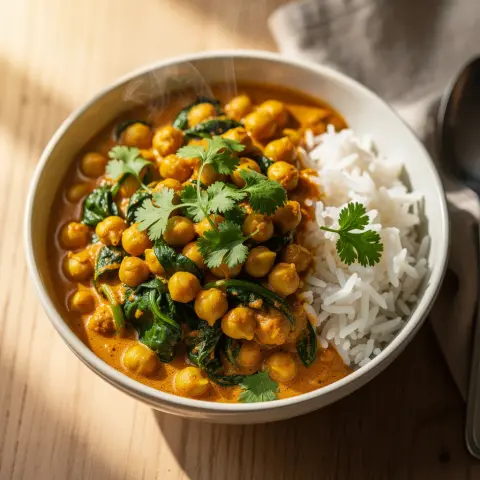
Once I started thinking in families instead of trying to memorize individual meals, I could improvise. If I had chickpeas and no plan, I'd reach for the warm & earthy group and end up with something close to the 15-Minute Chickpea Coconut Curry — not because I followed a set of instructions exactly, but because I understood why those spices belonged together.
Don't Skip Sauces and Pastes — They're Doing Half the Work
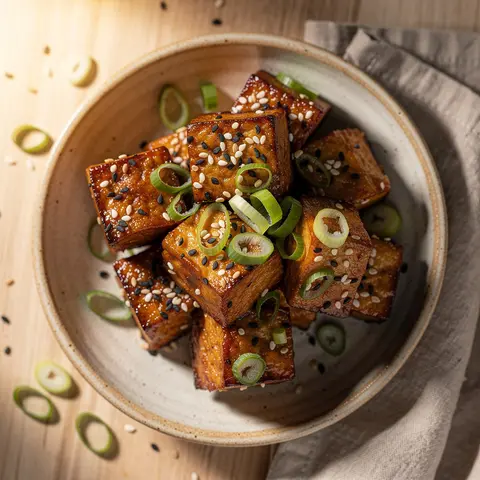
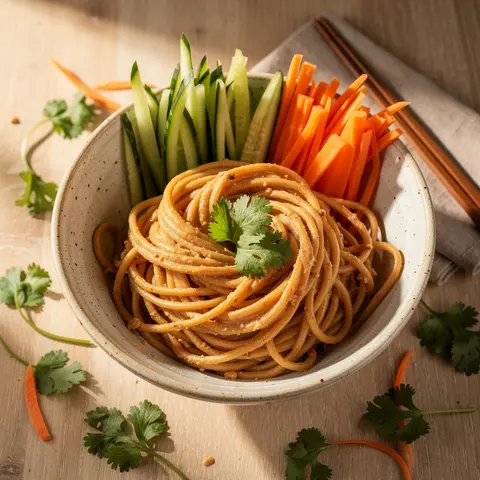
Spices get most of the credit, but a lot of vegan flavor actually comes from pastes and sauces built around a few core spices: miso, peanut butter, curry paste, tahini. The Air Fried Miso Sesame Tofu and 15 Minute Thai Peanut Noodles both lean on this — a handful of pantry staples plus a spice or two, and you've got real depth of flavor without a long ingredient list. This is honestly the trick to fast vegan cooking: build a base sauce, add one or two spices for direction, done.
A Beginner's Practice Routine
If you want to actually build confidence instead of just owning jars you're scared to use, try this:
- Pick one flavor family a week and cook three meals from it.
- Taste before and after adding a spice — burn that difference into memory.
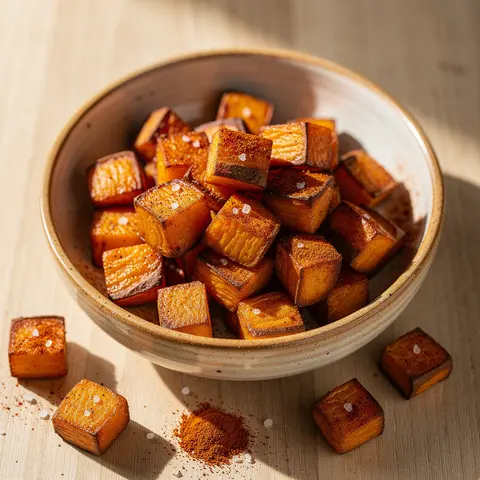
- Roast a plain vegetable, then roast the same vegetable with one spice family. Air Fryer Sweet Potatoes are a forgiving, cheap way to practice this — sweet potatoes take on smoked paprika, cinnamon, or cumin equally well, so you can run the same vegetable through all three families in one week.
- Keep a small notebook of what worked. You'll start seeing your own patterns faster than you'd think.
On the nutrition side, spices themselves aren't a significant source of calories or nutrients in the amounts most of us use — think of them as the tool that makes eating a wider variety of vegetables and legumes appealing, which matters more. The Harvard T.H. Chan School of Public Health notes that a varied plant-based diet built around vegetables, legumes, and whole grains supports meeting nutrient needs. And the British Dietetic Association similarly points to variety across food groups, not any single ingredient, as the foundation of a well-balanced vegan diet. If food doesn't taste good, that variety doesn't happen. That's really the whole point of a spice cabinet.
Where to Go From Here
Once the basics feel comfortable, branch out with weeknight meals that use these same building blocks — the 30-Minute Vegan Dinners collection is full of meals that reuse the same core spices in different combinations, which is a good way to reinforce what you're learning without buying a single new jar. If you're gluten-free too, the Gluten-Free Vegan Dinners collection sticks to the same approach, and mornings are covered too if you check out Gluten-Free Vegan Breakfasts.
I still don't own forty spices. I own about fourteen, and I actually use every one of them. That's the goal — not a full cabinet, a used cabinet. If you want a running list of meals that put these spice families to work so you're not starting from a blank page, that's exactly what I built EasyVgn for.