When I first started baking vegan, I treated every bake like it needed the same fix — one egg substitute to rule them all. That's not how it works. Eggs do different jobs in different bakes: binding, leavening, moisture, structure. Once you know which job you're replacing, picking the right substitute stops being a guessing game.
Here's how I break it down in my own kitchen.
Flax Egg: Best for Binding
A flax egg is one tablespoon of ground flaxseed mixed with three tablespoons of water, left to sit for about five minutes until it turns gel-like. It mimics the binding an egg gives you, which makes it great for muffins, cookies, pancakes, and quick breads where you need everything to hold together but you're not relying on a big rise.
Ground flax is also a source of alpha-linolenic acid, a plant-based omega-3 fat — the NHS notes that omega-3 fats support heart health as part of a generally balanced diet, which is a nice side benefit but not the main reason I reach for it here.
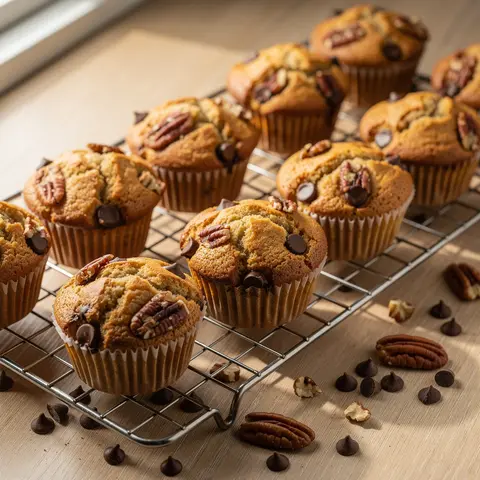
I use a flax egg constantly in the 1-Bowl Banana Chocolate Pecan Muffins — it holds the batter together without weighing it down, and you don't taste it once it's baked.
Aquafaba: Best for Lift and Foam
Aquafaba is the liquid left over from a can of chickpeas, and it's genuinely one of the strangest, most useful things in vegan baking. Whipped, it foams up almost like egg whites, which makes it the one substitute that can actually add air to a bake rather than just holding it together.
That's why aquafaba is my go-to for meringues, mousses, or anything where a fluffy, airy texture matters more than a firm crumb. A common starting ratio that home bakers and vegan cooking guides tend to use is roughly three tablespoons of aquafaba per egg, though I always test a small batch first since the liquid varies can to can — some are thicker than others, and that changes how much air it holds when whipped. It doesn't do much for dense, structured bakes — save it for the ones that need lightness, not sturdiness.
Applesauce (or Mashed Banana): Best for Moisture
When a bake needs moisture more than lift or binding — think dense cakes, brownies, or scones — unsweetened applesauce or mashed ripe banana works well. A rough starting point many bakers use is about a quarter cup per egg, though I'll usually nudge that up or down depending on how wet the rest of the batter already is. The tradeoff is that both add a little flavor and sweetness of their own, so they're not ideal for anything savory or delicately flavored.
I like using mashed banana in the 1-Bowl Cranberry Orange Scones for exactly this reason — it keeps them from drying out without a lot of extra fuss. If you're after something even quicker, the Chocolate Mug Cake is a good place to practice this swap since you can taste the difference in one bite and adjust next time.
Commercial Egg Replacers: Best for Consistency
Store-bought powders (usually a blend of starches and leaveners) are built to be a reliable, all-purpose stand-in when you don't want to think too hard about which job you're replacing. They tend to work reasonably well across cookies, cakes, and pancakes, though they rarely outperform a targeted substitute in any one category. I keep a box around for the days I want consistency more than precision — useful if you're building out a weekly rotation of quick vegan breakfasts and don't want to overthink each one.
A Quick Way to Choose
If you remember one thing, remember this: ask what the egg is actually doing in that specific bake.
- Need binding? Flax egg.
- Need lift or foam? Aquafaba.
- Need moisture? Applesauce or banana.
- Want a no-fuss default? Commercial replacer.
A lot of vegan cooking in general comes down to this kind of substitution logic — swapping one ingredient for another that does the same structural job. It's the same thinking behind meals like the 15-Minute Chickpea Coconut Curry, where coconut milk stands in for cream, or a gluten-free vegan dinner where a different flour blend does the work regular flour used to do. Once the logic clicks, baking — and cooking generally — stops feeling like following rules and starts feeling like understanding ingredients.
According to the Academy of Nutrition and Dietetics, a well-planned vegan diet can meet nutritional needs at all life stages, and small swaps like these are part of what makes that planning easier day to day, not harder.
I still keep notes on which substitute I used where, mostly because I forget from one bake to the next. If you want a head start with meals that already account for these swaps, here's where to look.