When I first started cooking vegan, I owned exactly three spices — salt, pepper, and a sad jar of Italian seasoning I never finished. Every meal tasted like a slightly different version of the same beige thing. What changed everything wasn't buying more spices, it was learning which ones actually belong together. Cuisines aren't random — they each lean on a handful of core flavors, and once you know the pattern, you can build a meal without a chart or a meal card.
Here's the breakdown I wish someone had given me early on.
Mexican-Inspired: Smoky, Earthy, Bright
The backbone here is cumin, chili powder, smoked paprika, and oregano, with fresh lime and cilantro added at the end to wake everything back up. Cumin and chili powder are almost always a pair — cumin gives depth, chili powder gives that familiar warmth without necessarily being hot. Smoked paprika is the trick most beginners skip: it adds a campfire quality that makes beans, tofu, or lentils taste like they've been simmering all day even when they haven't.
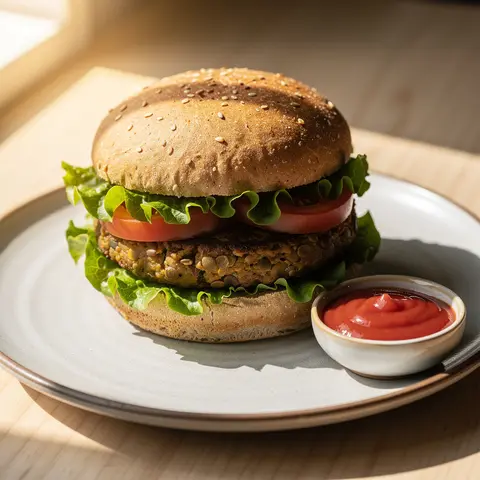
A good rule: one earthy spice (cumin), one heat spice (chili powder or a pinch of cayenne), one dried herb (oregano), and something acidic at the finish (lime). If you want to see this in action, my 15-Minute Lentil Burgers use cumin as the anchor flavor and it turns basic lentils into something that actually tastes seasoned, not just cooked.
Indian-Inspired: Layered and Warm
Indian cooking usually builds spices in layers rather than dumping them in all at once — that's the biggest shift for beginners. A classic base is cumin seeds or ground cumin, turmeric, coriander, and garam masala, often bloomed in oil before other ingredients go in. Turmeric brings color and a mild earthiness rather than heat, so don't be afraid of using a full teaspoon. Garam masala is a spice blend on its own, usually built from cinnamon, cardamom, cloves, and black pepper, so it's a shortcut for warmth and complexity without needing eight jars.
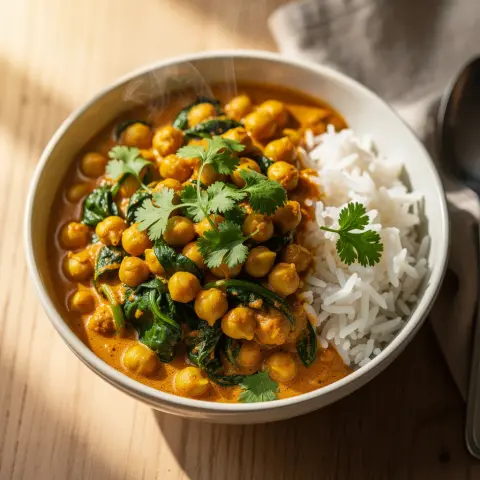
Coconut milk is doing a lot of quiet work in Indian-style curries too — it mellows the spices and carries their flavor across the whole dish instead of leaving hot spots. That's exactly the combination at play in my 15-Minute Chickpea Coconut Curry, where turmeric and coriander sit against the sweetness of coconut milk and spinach. Once you've made it once, you'll start recognizing that same turmeric-cumin-coriander trio in a lot of other Indian-style meals.
Mediterranean-Inspired: Herbaceous and Citrusy
This is the gentlest cuisine to start with because the spices are more forgiving. Think oregano, dried thyme, garlic, and lemon zest, with a finishing drizzle of olive oil. Cumin shows up here too, especially in Middle Eastern-leaning dishes, alongside sumac if you can find it — sumac gives a tart, lemony brightness that's hard to replicate with anything else.
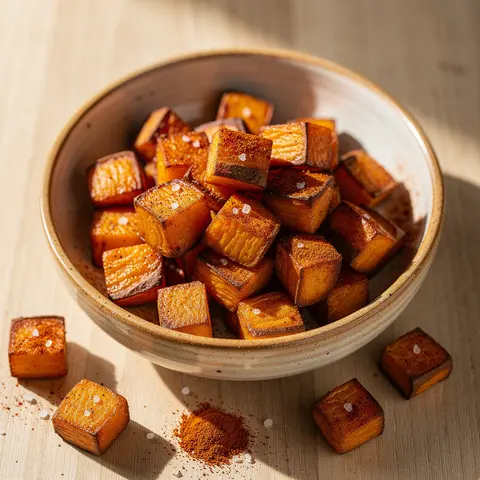
The pattern is: dried herb (oregano or thyme) + garlic + acid (lemon) + fat (olive oil). It's less about heat and more about brightness. Roasted vegetables are the easiest place to practice this — my Air Fryer Sweet Potatoes work well with a Mediterranean spin if you swap in oregano, garlic powder, and a squeeze of lemon after cooking instead of a heavier spice mix. If you're cooking gluten-free at home too, the Gluten-Free Vegan Dinners collection has a good spread of meals that lean on this same herb-garlic-acid pattern.
Building Your Own Pairings
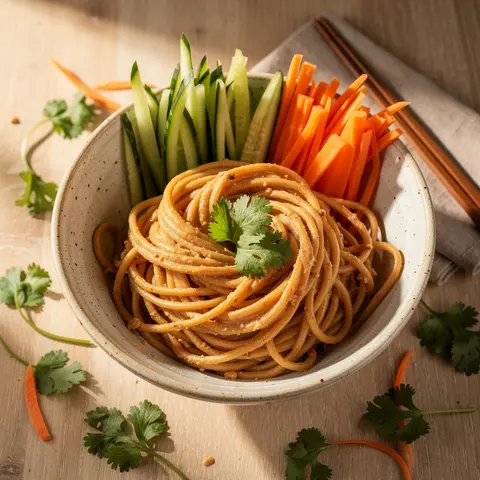
Once you notice the pattern — one earthy spice, one aromatic or warm spice, one dried herb, one acid — you can mix and match across cuisines instead of following a fixed list. A Thai-style dish, for example, leans on the same idea but swaps in ginger, garlic, and lime instead of cumin and oregano; you can taste that structure in something like 15 Minute Thai Peanut Noodles, where peanut butter and lime do the heavy lifting instead of dried herbs.
According to the Academy of Nutrition and Dietetics, building meals around herbs, spices, and plant-based proteins is a practical way to keep vegan eating varied and satisfying rather than repetitive. That tracks with what I've noticed cooking this way for years: variety isn't about owning more spices, it's about understanding the four or five roles a spice can play in a dish.
A Simple Way to Practice
If you're just starting out, don't try to memorize a dozen spice blends at once. Pick one cuisine a week and cook two or three meals from it so the combinations start to feel familiar in your hands, not just on paper. My 30-Minute Vegan Dinners collection is a good place to do this because the meals are quick enough that you can experiment without committing a whole evening, and if you're cooking for lunch instead, the Vegan Lunch Ideas collection has a similar range across cuisines.
The honest truth is that spice pairing is a skill you build by repetition, not by reading one guide. But once a few combinations click, you stop needing a meal in front of you to know that cumin wants chili powder nearby, and turmeric wants coriander. That's when cooking vegan actually starts feeling like cooking, instead of following instructions.
If you want a place to start practicing this week, browse the free meals and build a shopping list around one cuisine at a time — Get Started Free