When I first went vegan, the thing I missed most wasn't the texture of meat — it was that deep, savory, back-of-the-mouth flavor. Food tasted thinner somehow, even when I'd seasoned it well. It took me a while to realize I wasn't missing meat, I was missing umami, and there are plenty of plant-based ways to get it back. Here are the five I reach for most.
Miso: the quiet backbone
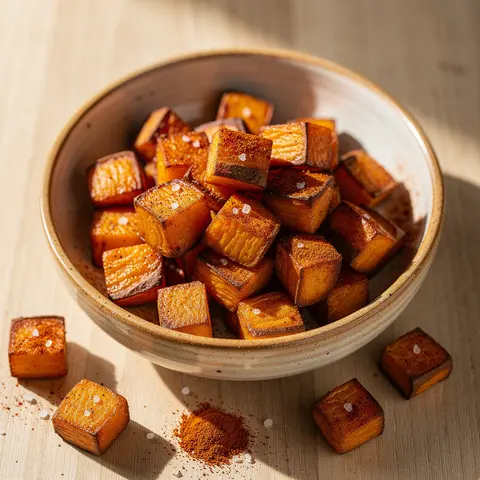
Miso is fermented soybean paste, and it's one of the most efficient umami ingredients in the pantry. A spoonful whisked into a dressing, soup, or marinade adds savory depth without adding a flavor you can point to — it just makes everything taste more finished. I like stirring a small spoonful into the sauce for a stir-fry, or brushing it onto sweet potatoes before roasting. If you want to see it in action, the Air Fryer Sweet Potatoes take really well to a miso-maple glaze. Start small — a teaspoon goes further than you'd think, and it's salty, so taste before you add more.
Nutritional yeast: cheesy without the cheese
Nutritional yeast is deactivated yeast, usually sold as flakes, and it brings a savory, slightly cheesy flavor that's become a staple in vegan kitchens for exactly that reason. It's also worth knowing that vitamin B12 is a nutrient vegans need a reliable source for, and according to the NHS, fortified foods like nutritional yeast, alongside fortified plant milks or a supplement, are common ways people get it. Flavor-wise, it's great sprinkled on popcorn, stirred into pasta sauce, or dusted over the Baked Zucchini Parmesan Bites with Marinara Dip for extra savoriness.
Soy sauce and tamari: umami in a bottle
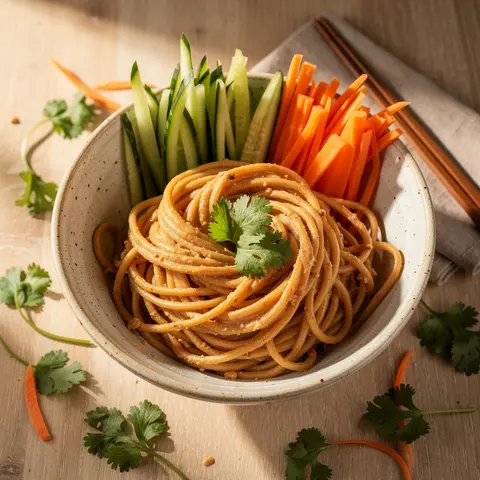
This one's the most familiar, but it's worth using on purpose rather than as an afterthought. Soy sauce, or tamari if you need it gluten-free, is fermented and naturally contains glutamates, the amino acid widely credited with producing the umami taste. According to the Umami Information Center, glutamate's role in savory taste was first identified by Japanese researcher Kikunae Ikeda in the early 1900s, and it's now a well-studied part of food science. A splash in a stir-fry sauce, a marinade, or even a surprising dash in tomato sauce rounds out flavor fast. It's the backbone of dishes like the 15 Minute Thai Peanut Noodles, where the salty-savory sauce is really doing a lot of the work. If you're cooking gluten-free, just make sure you're reaching for tamari instead of regular soy sauce — the Gluten-Free Vegan Dinners collection has a bunch of meals already built around that swap.
Mushrooms: umami you can actually chew
Mushrooms are another naturally occurring source of glutamates, and according to the same Umami Information Center overview, drying or browning them concentrates that savoriness even further. Dried shiitake, in particular, is a classic umami ingredient in a lot of Asian cooking traditions, often rehydrated and used in broths. Even plain cremini mushrooms, cooked low and slow until deeply browned, add a meaty, savory note to grain bowls and stir-fries. I like tossing sautéed mushrooms into something like the 10-Minute Tempeh Power Bowl — the combination of tempeh and mushroom gives you two umami sources working together, which is honestly where this flavor shines most.
Tomato paste: concentrated and underrated
Tomato paste is tomatoes cooked down until most of the water is gone, which concentrates both the sweetness and the naturally occurring glutamates in the fruit. A spoonful fried in oil for a minute before adding other ingredients — a trick borrowed from Italian cooking — deepens the flavor of soups, curries, and sauces noticeably. It's an easy way to build savory depth into something like a curry base; the 15-Minute Chickpea Coconut Curry gets a lot of its richness from this kind of concentrated tomato flavor layered under the coconut milk and spices.
Putting them together
The real trick with vegan umami isn't picking one ingredient — it's layering two or three. Miso and mushrooms. Soy sauce and tomato paste. Nutritional yeast and a splash of tamari. Once you start thinking about umami as a building block rather than a seasoning you sprinkle on at the end, savory vegan cooking gets a lot easier and a lot more satisfying. If you want a few fast dinners that already lean on this kind of flavor-building, the 30-Minute Vegan Dinners collection is a good place to start — most of them use at least one of these five ingredients.
I built EasyVgn around meals like these, with the shopping list built automatically so you're not standing in the store trying to remember if you grabbed tamari or miso. If that sounds useful, here's where to start.