When people find out I've cooked vegan for over a decade, they sometimes ask how I'd handle going gluten-free on top of it, usually assuming it would mean eating rice and lettuce for the rest of my life. It doesn't. Once you know where the overlap is and where the sneaky ingredients hide, this combination is actually pretty manageable — you're just narrowing an already-wide field.
The good news: the overlap is bigger than you think
Most of what makes up a solid vegan plate is naturally gluten-free already. Beans, lentils, rice, quinoa, potatoes, most vegetables and fruits, nuts, seeds, and plain tofu don't contain gluten at all. Gluten only shows up in wheat, barley, rye, and things made from them — so a bowl built around lentils, sweet potatoes, and greens was never going to be a problem in the first place.
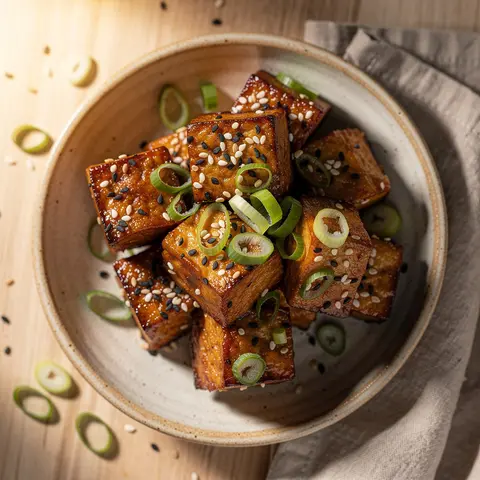
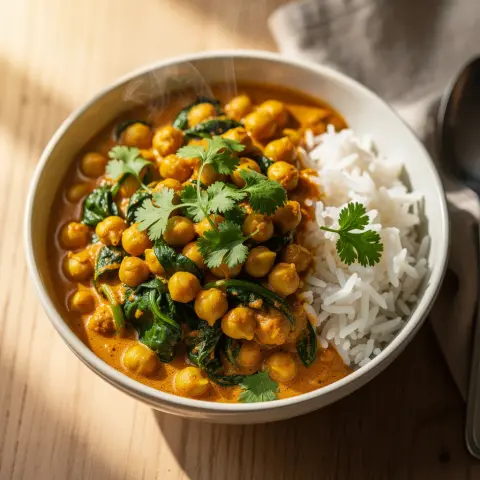
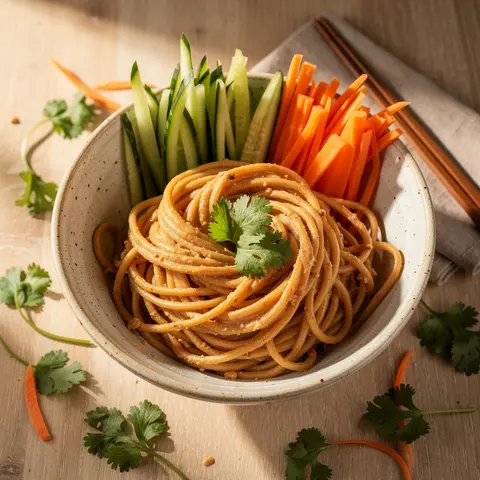
That's why a lot of my favorite fast meals just happen to work for both diets without any substitutions. 15-Minute Thai Peanut Noodles can be made gluten-free with rice noodles instead of wheat ones, and 15-Minute Chickpea Coconut Curry is gluten-free as written since it's built on chickpeas, coconut milk, and spinach. If you want a fast dinner tonight that doesn't require reading a single label, Air Fried Miso Sesame Tofu is a good one to start with too — just double check your miso, which I'll get to below.
The staples that quietly contain gluten
This is where most people trip up, not on obvious bread and pasta, but on ingredients that don't sound like they'd have wheat in them at all:
- Soy sauce — traditional soy sauce is brewed with wheat. Tamari is usually the gluten-free swap, but check the label since not all tamari is.
- Some miso and seitan-based products — seitan is pure gluten by design, and some miso pastes use barley.
- Oats — oats are naturally gluten-free but are frequently cross-contaminated during processing, so look for ones labeled gluten-free specifically.
- Vegetable broths and bouillon cubes — wheat-based fillers show up here more than you'd expect.
- Some plant-based meats — a fair number of veggie burgers and nuggets use wheat gluten as a binder, which is often the whole point of the texture.
- Malt vinegar and some sauces — malt comes from barley.
According to the NHS, people with coeliac disease need to avoid gluten completely, since even small amounts can damage the gut lining, so if you're avoiding gluten for a medical reason rather than preference, label-reading isn't optional — it's the whole game.
How to simplify the shopping list
The easiest fix I've found is to build meals around a short list of ingredients you already trust are gluten-free, rather than scrutinizing every label every week. Rice, quinoa, corn tortillas, potatoes, beans, lentils, and plain nuts and seeds are safe defaults. Once you have a rotation of meals built on those, you're not re-checking ingredients every single time you cook.
This is honestly the main reason I built the shopping list feature into EasyVgn the way I did — when you plan a week of meals in the app, it auto-builds the list for you, so you're not standing in an aisle trying to remember if a random broth was fine last time. If you want to skip the guesswork entirely, the Gluten-Free Vegan Dinners collection is built specifically around this overlap, and Gluten-Free Vegan Breakfasts covers the harder meal of the day, since so much breakfast food defaults to bread, cereal, or pastries.
A few easy wins to start with
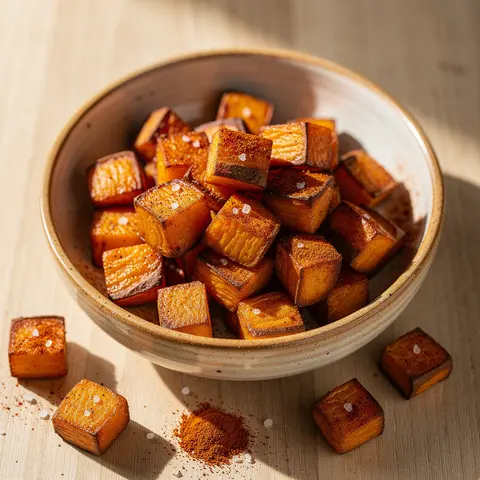
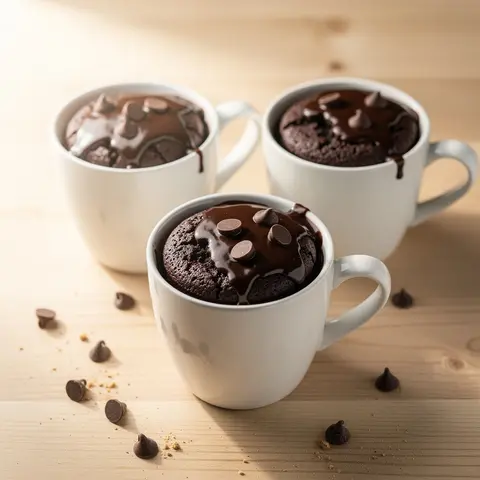
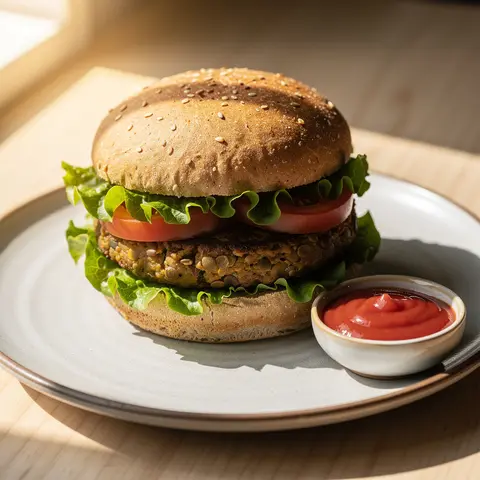
If you're just starting to combine the two diets, don't try to overhaul everything at once. Pick a handful of meals you know are safe and lean on them while you learn the label patterns. Air Fryer Sweet Potatoes as a side, 15-Minute Lentil Burgers made with a gluten-free binder, and a curry or noodle bowl in rotation will get you through most weeks without stress. For something sweeter, a Chocolate Mug Cake made with almond or oat flour is an easy one to keep in your back pocket for cravings.
According to the Academy of Nutrition and Dietetics, a well-planned gluten-free diet can absolutely meet nutritional needs when it includes a variety of whole grains like rice and quinoa alongside fruits, vegetables, and protein sources — which lines up with how naturally gluten-free most whole, plant-based food already is.
Where to go from here
The hardest part of combining vegan and gluten-free isn't the cooking, it's the first few weeks of learning which packaged staples are safe. Once you've got a rotation of meals and a shopping habit that works, it stops feeling like two restrictions stacked on top of each other and starts just feeling like how you eat.