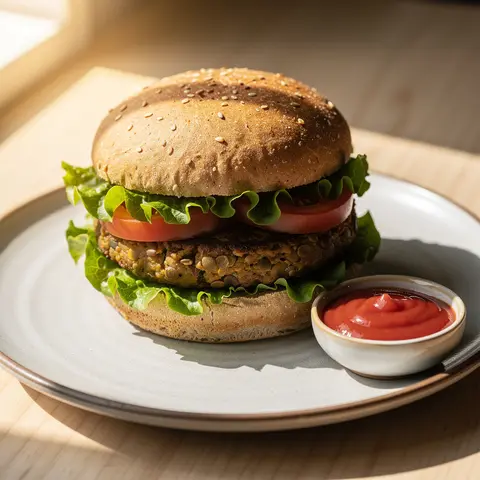
When I went vegan, my pantry was basically pasta, rice, and a jar of peanut butter I didn't know what to do with. I wasted a lot of money buying random specialty items I never used again. So here's the list I wish someone had handed me — the stuff that actually gets used, week after week, and lets you throw together a real meal without a special trip to the store every time.
Start With Protein You'll Actually Reach For
Protein is the question everyone asks first, and it's a fair one. According to the Harvard T.H. Chan School of Public Health, plant sources like beans, lentils, tofu, and whole grains can easily meet protein needs when eaten across a varied diet. You don't need powders or fake meat to hit your numbers.
What I keep stocked at all times:
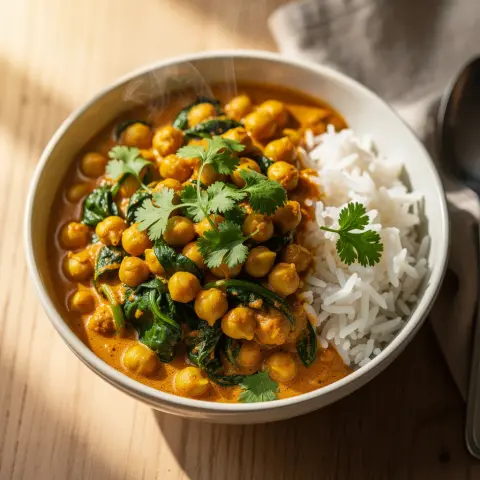
- Canned or dried lentils and chickpeas — cheap, shelf-stable, and the base of half my weeknight meals. They're what makes something like 15-Minute Lentil Burgers or 15-Minute Chickpea Coconut Curry possible on a random Tuesday.
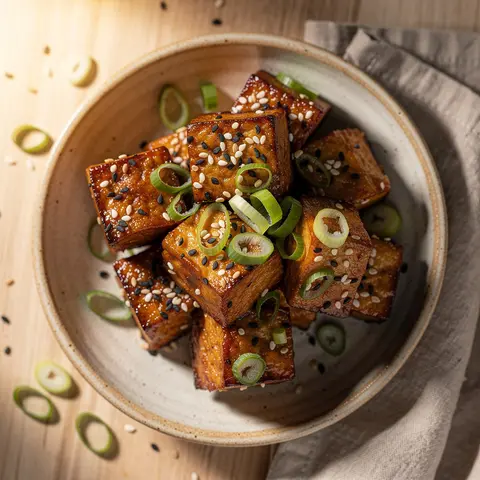
- Firm and extra-firm tofu — freezes well, takes on any flavor. Air Fried Miso Sesame Tofu is a good example of how far a block of tofu and a few pantry sauces can go.
- Tempeh, edamame, or seitan if you can find them — not essential day one, but worth trying once you're comfortable.
If you're worried about hitting these staples in real meals rather than just eating beans out of a can, browsing something like 15-Minute Vegan Meals is a fast way to see how they actually get used.
The Grains and Starches That Anchor a Meal
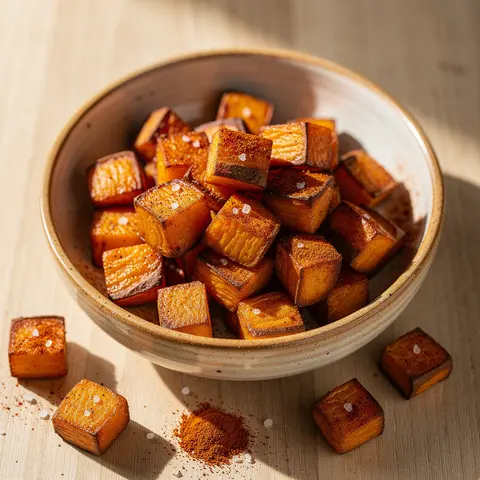
Grains are your blank canvas. I keep rice (white and brown), rolled oats, and at least one pasta shape on hand at all times, plus something with a little more texture like quinoa or farro when I want a change. Sweet potatoes are underrated here too — they're cheap, filling, and take almost no effort. Air Fryer Sweet Potatoes is basically five ingredients and fifteen minutes, and it works as a side for nearly anything.
If gluten is a concern for you or someone you're cooking for, most of these grain staples (rice, oats if labeled gluten-free, quinoa) work fine, and it's worth building a small rotation of meals you know are safe — Gluten-Free Vegan Dinners is where I'd start looking.
Sauces and Aromatics Do the Actual Flavor Work
This is the part beginners skip, and it's the part that matters most. A pantry full of beans and rice with no seasoning is how people end up thinking vegan food is bland. What actually makes a meal taste like something:
- Soy sauce or tamari (gluten-free if you need it)
- Rice vinegar and a neutral oil
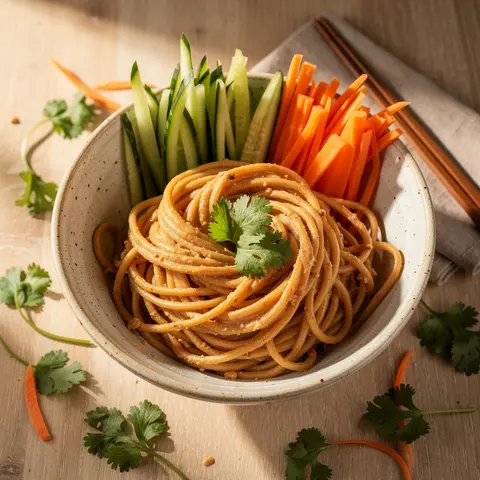
- Peanut butter or tahini — the backbone of dishes like 15 Minute Thai Peanut Noodles
- Garlic, ginger, onion — fresh if you use them fast, jarred if you don't
- Nutritional yeast for a cheesy, savory note in sauces and soups
- A good curry powder or paste, cumin, smoked paprika, and chili flakes
Once you have a few of these overlapping, you can make a dozen different meals out of the same three or four base ingredients just by changing the sauce. That's really the whole trick to not getting bored with vegan cooking in the first month.
Canned and Frozen Backups for Busy Nights
Canned coconut milk, canned tomatoes, and a bag of frozen mixed vegetables have saved me more times than I can count. They're not glamorous, but they turn a half-empty fridge into dinner. Coconut milk goes into curries and soups, canned tomatoes become a sauce base in ten minutes, and frozen vegetables mean you're never stuck without something green to add to a bowl. On a night when I don't want to plan anything, I'll pull together something from 30-Minute Vegan Dinners using exactly this kind of backup stock, and it still feels like a real meal instead of a compromise.
Two Nutrients Worth Knowing About Early
I'm not going to give you a checklist of supplements to run out and buy — that's between you and a doctor or dietitian. But two nutrients come up often enough in vegan nutrition guidance that it's worth knowing about them from day one:
Vitamin B12 doesn't occur reliably in plant foods, and the NHS recommends people on a vegan diet make sure they're getting it from fortified foods or a supplement, since a deficiency can develop slowly and cause real problems. Fortified nutritional yeast and fortified plant milks are common ways people cover this, but check labels since not all brands are fortified.
Iron absorption from plant sources improves when eaten alongside vitamin C, according to the Academy of Nutrition and Dietetics. Practically, that just means squeezing some lemon over your lentils or having orange slices with your oatmeal — nothing complicated, just worth knowing.
Neither of these is a reason to worry about going vegan. They're just the two things worth being a little intentional about, the same way anyone eating any diet has a couple of nutrients worth paying attention to.
Building From Here
Once this basic pantry is in place, the day-to-day question stops being "what can I even make" and starts being "what do I feel like tonight." That's really the shift I was after when I started cooking this way ten years ago, and it's the same shift I built EasyVgn to speed up — a curated weekly menu and an auto-built shopping list, so the pantry list above turns into an actual dinner without you standing in front of the fridge trying to improvise. If a few of these staples and meals sound like a good starting point, take a look and build your first shopping list from there.