When people ask me where to start cooking vegan, I always say the same thing: don't start with the fanciest meal you can find. Start with the one that's hardest to mess up. The first few weeks are about building confidence, not showing off, and the meals that stick are the ones where you can walk away from the stove for five minutes and come back to something still fine.
Here's the short list I give beginners — dinners with a handful of common ingredients, one or two techniques tops, and leftovers that actually hold up in the fridge.
Start with a stew, not a stir-fry
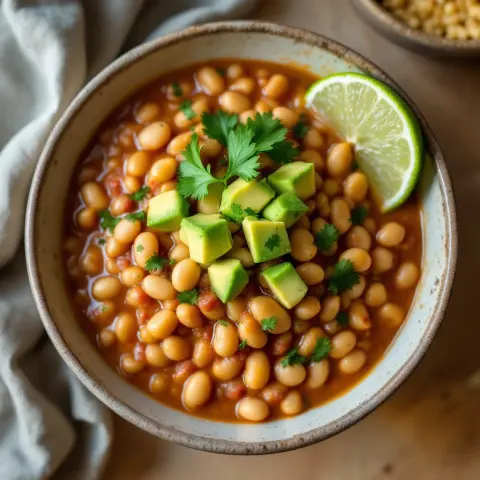
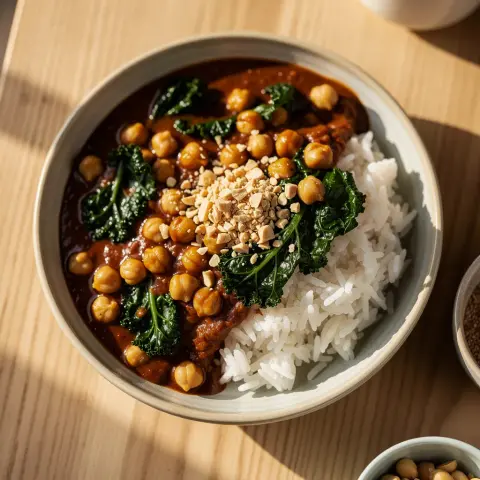
Stews are the most forgiving thing you can cook. There's no precise timing, no risk of overcooking, and they almost always taste better the next day. My go-to first-week recommendation is the African Tomato Peanut Stew with Chickpeas — it's tomatoes, peanut butter, chickpeas, and spices simmered together, and it's nearly impossible to ruin. If you want something a little faster on a weeknight, the 30-Minute White Bean Chili is just as beginner-friendly and comes together in one pot.
Both of these keep well for 3-4 days in the fridge, which matters more than people realize when you're new to cooking — you want meals that taste just as good on day three as day one.
Learn tofu once, use it everywhere
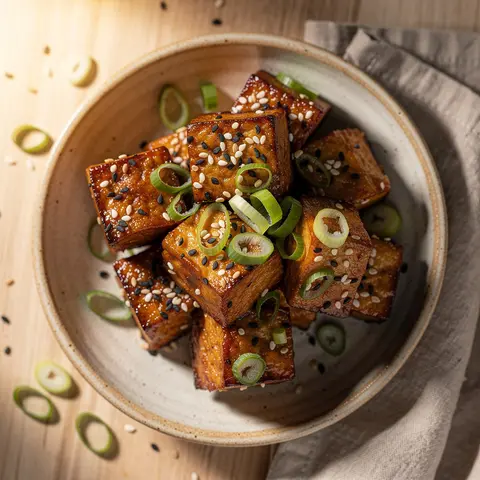
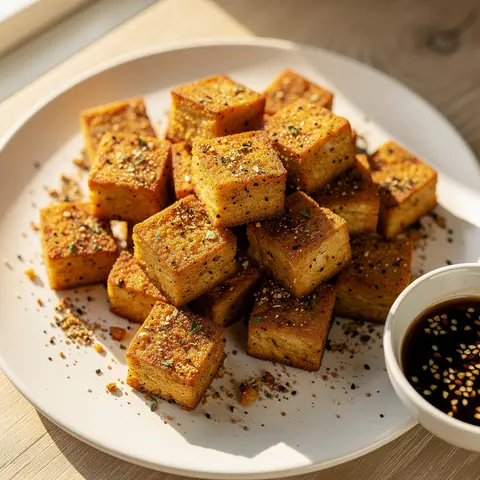
Tofu intimidates a lot of new cooks, but it's really just one technique to learn: press it, season it, cook it hot and dry. Once you've got that down, you can repeat it endlessly. I'd start with Air Fryer Tofu since the air fryer does most of the work for you — no flipping, no babysitting a pan. From there, Air Fried Miso Sesame Tofu is a natural next step; same method, more flavor.
Tofu is also a practical way to think about protein. According to the Academy of Nutrition and Dietetics, vegan diets can meet protein needs when they include a variety of protein sources like tofu, legumes, and whole grains throughout the day. If protein is something you're tracking as you plan dinners, my High-Protein Vegan Meals collection is a good place to keep browsing once you've got the basics down.
Keep a few 30-minute dinners in rotation
Not every night calls for a slow-simmered stew. On busier nights, I lean on meals that don't ask much of me technique-wise. The 30-Minute Vegan Dinners collection is where I'd point anyone who's short on time but still wants something that tastes put-together. Having two or three of these memorized — ingredients you always have on hand, steps you don't have to think about — takes a lot of the decision fatigue out of weeknight cooking. It also means you're less likely to default to the same single dish every single time you're in a hurry, which is how a lot of people end up bored with cooking before they've really given it a chance.
A few sides worth knowing
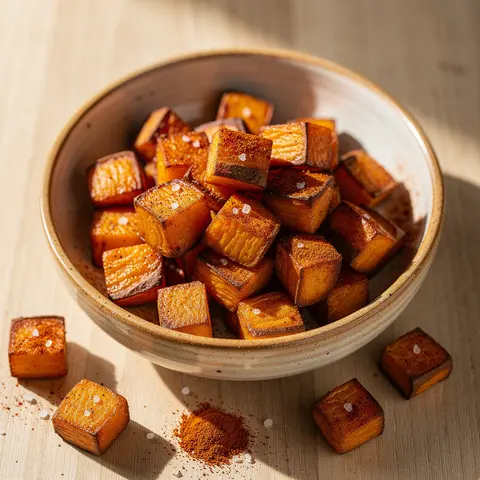
A dinner doesn't have to be one big dish. Some of the easiest meals I make are just a simple protein plus a reliable side. Air Fryer Sweet Potatoes are about as low-effort as cooking gets — wash, cube, season, air fry — and they go with almost anything, from the tofu above to the stews. Learning a couple of sides like this means you can mix and match instead of hunting for a new dinner idea every single night.
If gluten is something you're also navigating, it's worth knowing that stews, tofu, and roasted vegetables are naturally easy to keep gluten-free — my Gluten-Free Vegan Dinners collection pulls together meals that fit both at once, so you're not solving two problems separately.
Leftovers are part of the plan, not an afterthought
One thing I wish someone had told me early on: cook for leftovers on purpose. Stews, chilis, and roasted vegetables all hold up well after a day or two in the fridge, which means one cooking session can cover two or three dinners. That's less about saving time and more about lowering the number of decisions you have to make on a Tuesday night when you're tired.
If you're figuring out how to build a balanced plate in general, the Harvard T.H. Chan School of Public Health has a plain-language guide that's useful regardless of whether your week is fully plant-based or just a few meatless dinners — there's no need to have it all figured out at once, and a partial week counts just as much as a full one.
Why forgiving dinners matter more than impressive ones
It's tempting, especially early on, to judge a dinner by how interesting it sounds rather than how likely you are to actually make it again. I've found the opposite matters more: a dinner you'll repeat without dreading it beats a dinner you make once and never again. That's why everything on this list leans on common pantry ingredients and one or two techniques rather than a long ingredient list or a timer you have to watch closely. Once a few of these feel automatic, branching out gets a lot easier, because you're not relearning basic technique every time you try something new.
Starting small is the whole point
You don't need a freezer full of specialty ingredients or ten new techniques to start cooking vegan dinners. A stew, a way of cooking tofu, a reliable side, and a couple of fast weeknight go-tos will cover most nights. Add to that list slowly, as things start to feel routine instead of new.
If you want a hand building that first week of dinners without guessing, that's what I built Plantiful for — a curated weekly menu and an auto-built shopping list so you're not starting from a blank page.